


Metabyte Skills Intelligence Layer
Our 2nd-generation AI is backed by six years of development, data training, and validation
Our science explained
Standardized Skills, Roles, and Matching
Traditional hiring data is messy and fragmented. Job titles conflict, and skill descriptions overlap,
requiring heavy manual analysis long after keyword searches.
Metabyte SP’s skills and job roles ontology standardizes this data before matching
to deliver precise results.
By looking past perfect resume phrasing and bypassing
AI-generated inflation, our engine unlocks true understanding of
a candidate’s actual capabilities.
Skills in Metabyte SP are defined as atomic (i.e., smallest, indivisible) units of capability, the core abilities a role requires and a worker brings. Because every skill resolves to one standard unit, industry synonyms and varied phrasing collapse to the same entry, so a capability is never missed or double-counted. The library expands continuously as new skills emerge.

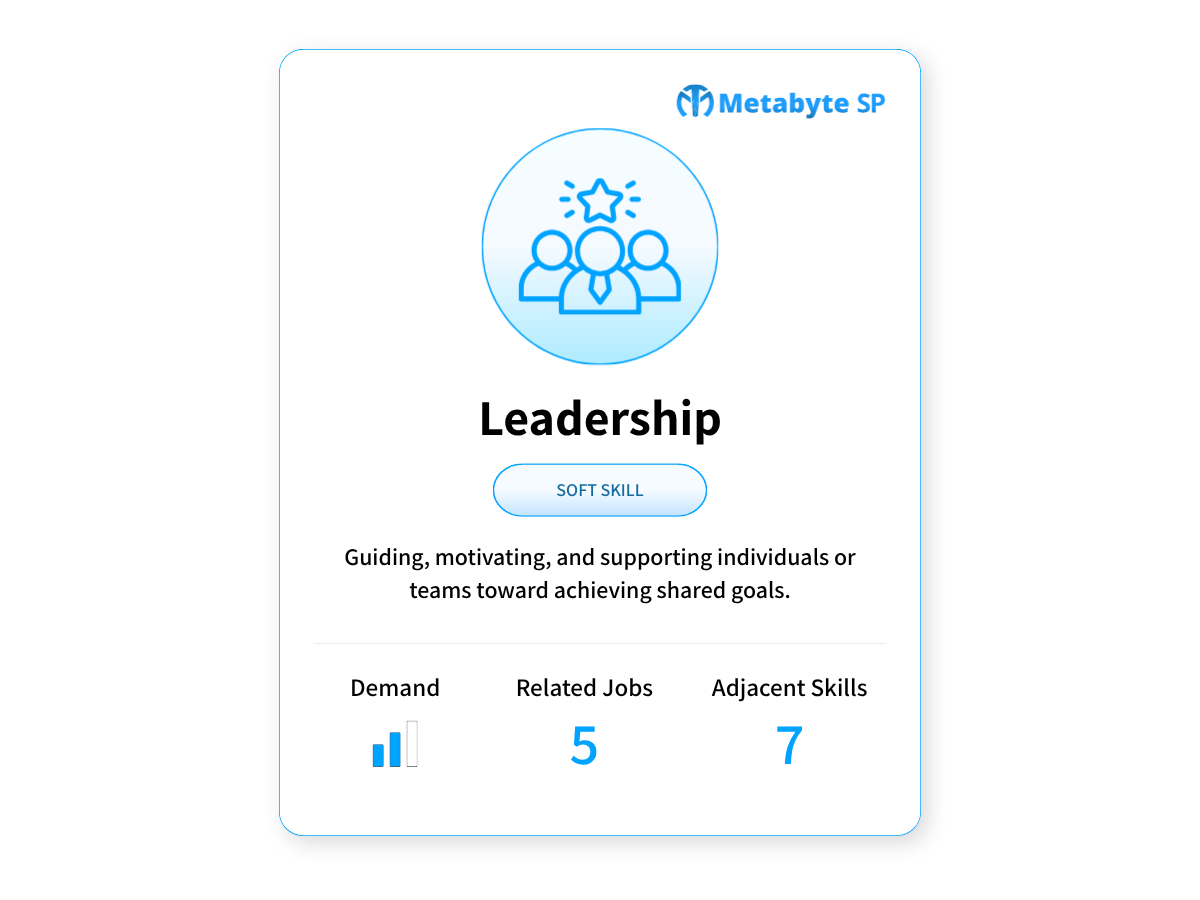
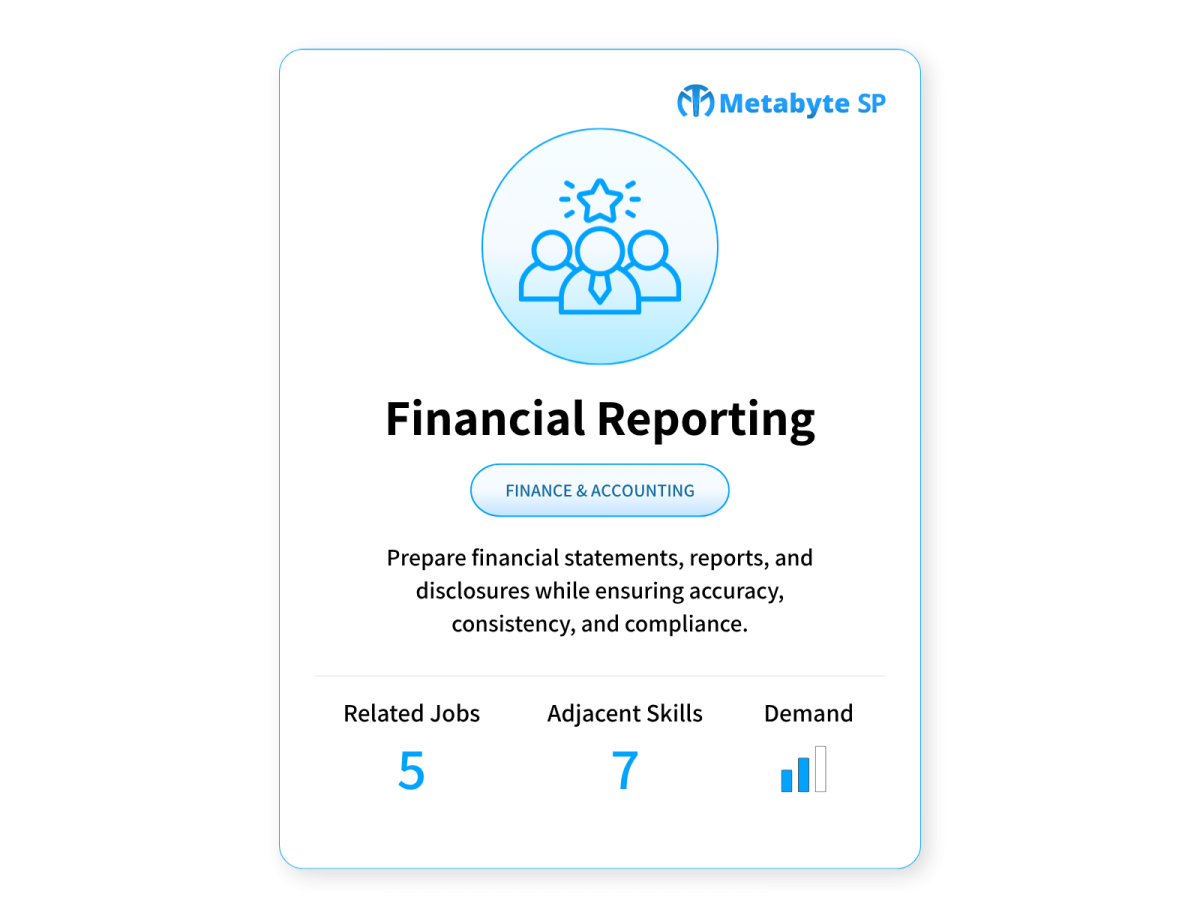

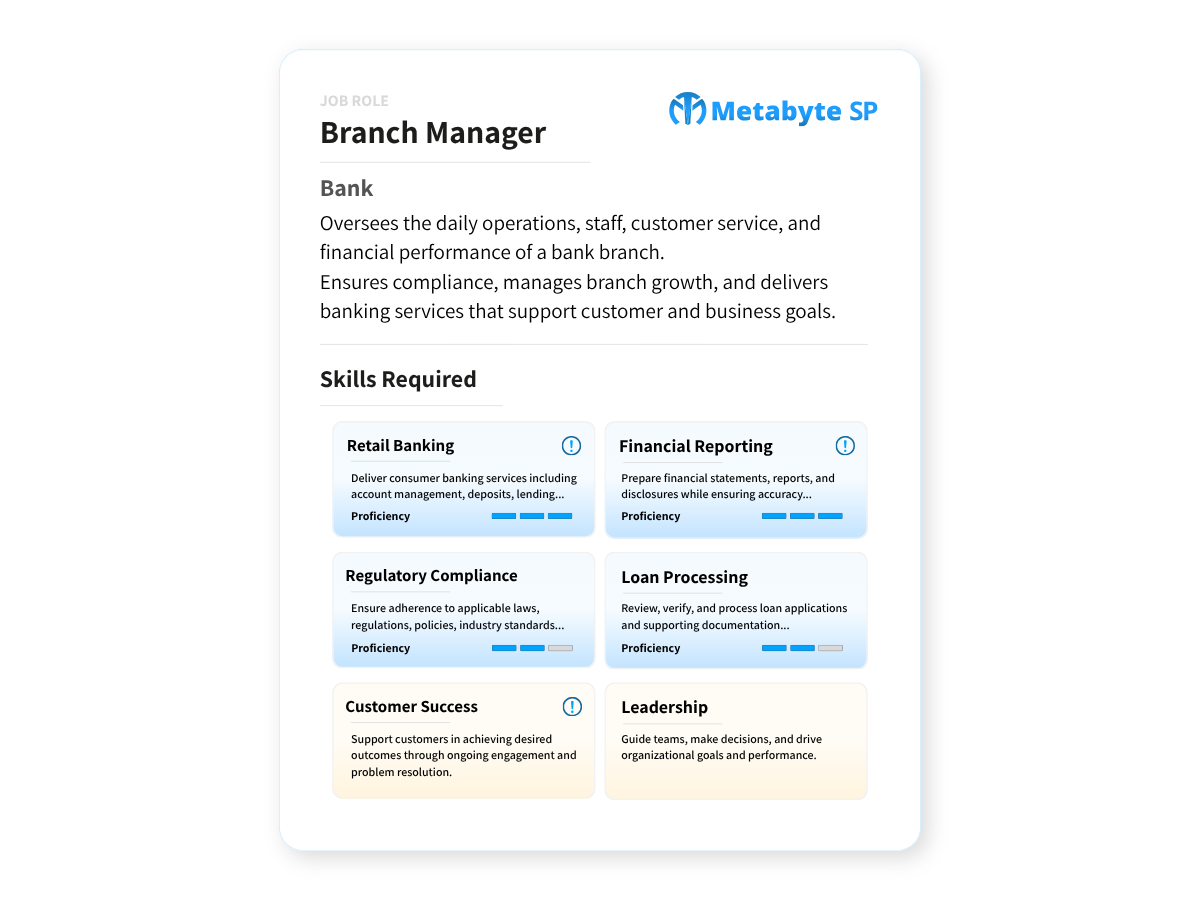
Job roles are standardized as consistent sets of skills, so roles with different titles but the same underlying capabilities resolve to the same standard role. Incoming job requisitions map to these standard roles, then adjust the specific skills and weights each employer needs.
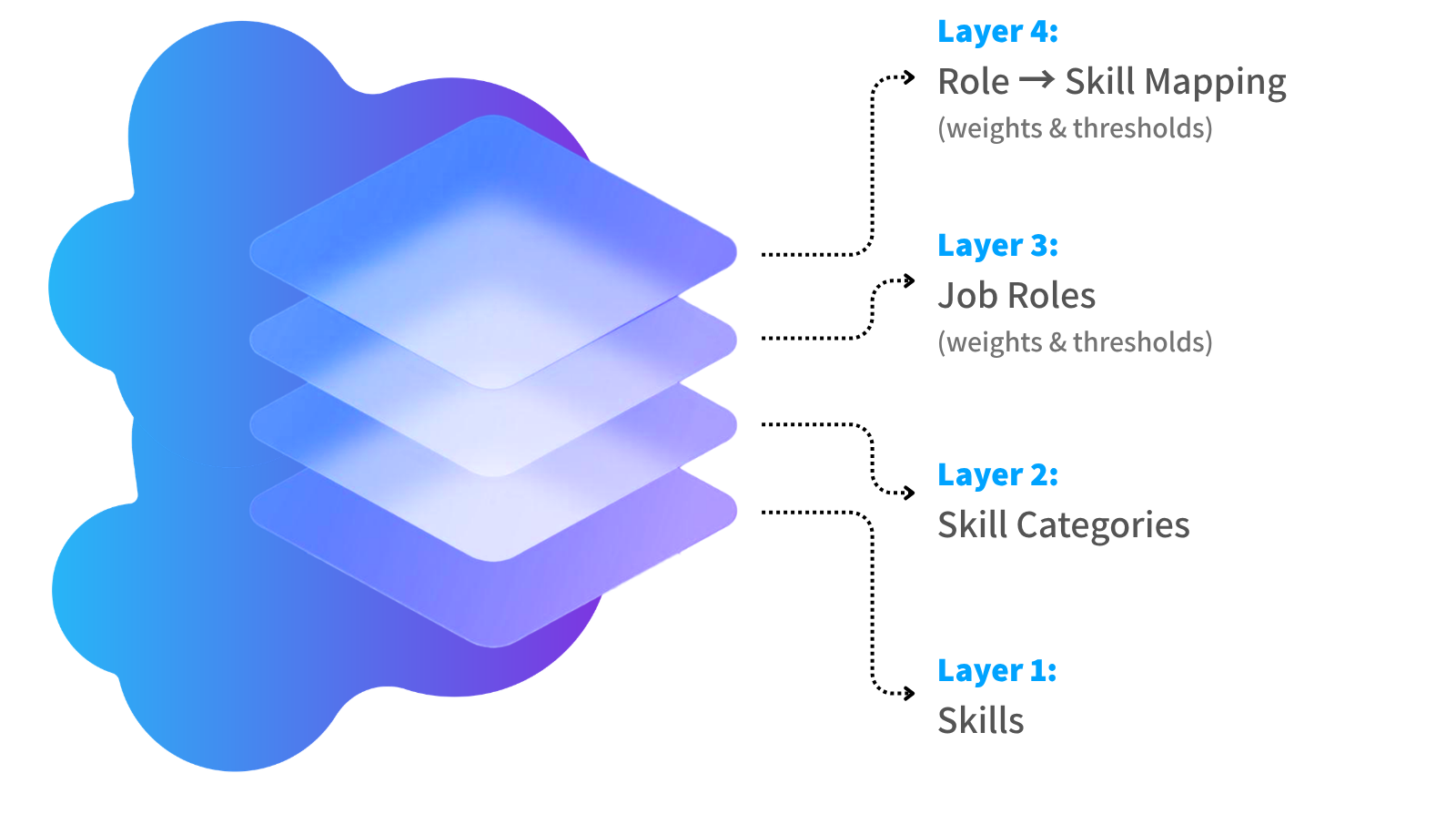
The Skills Intelligence Layer sits on a structured, four-layer model: atomic skills, skill categories, standardized job roles, and the role- to-skill mappings that connect them. Because every match traces down to these defined units, scoring stays transparent - and every result can be explained back to the skills behind it.
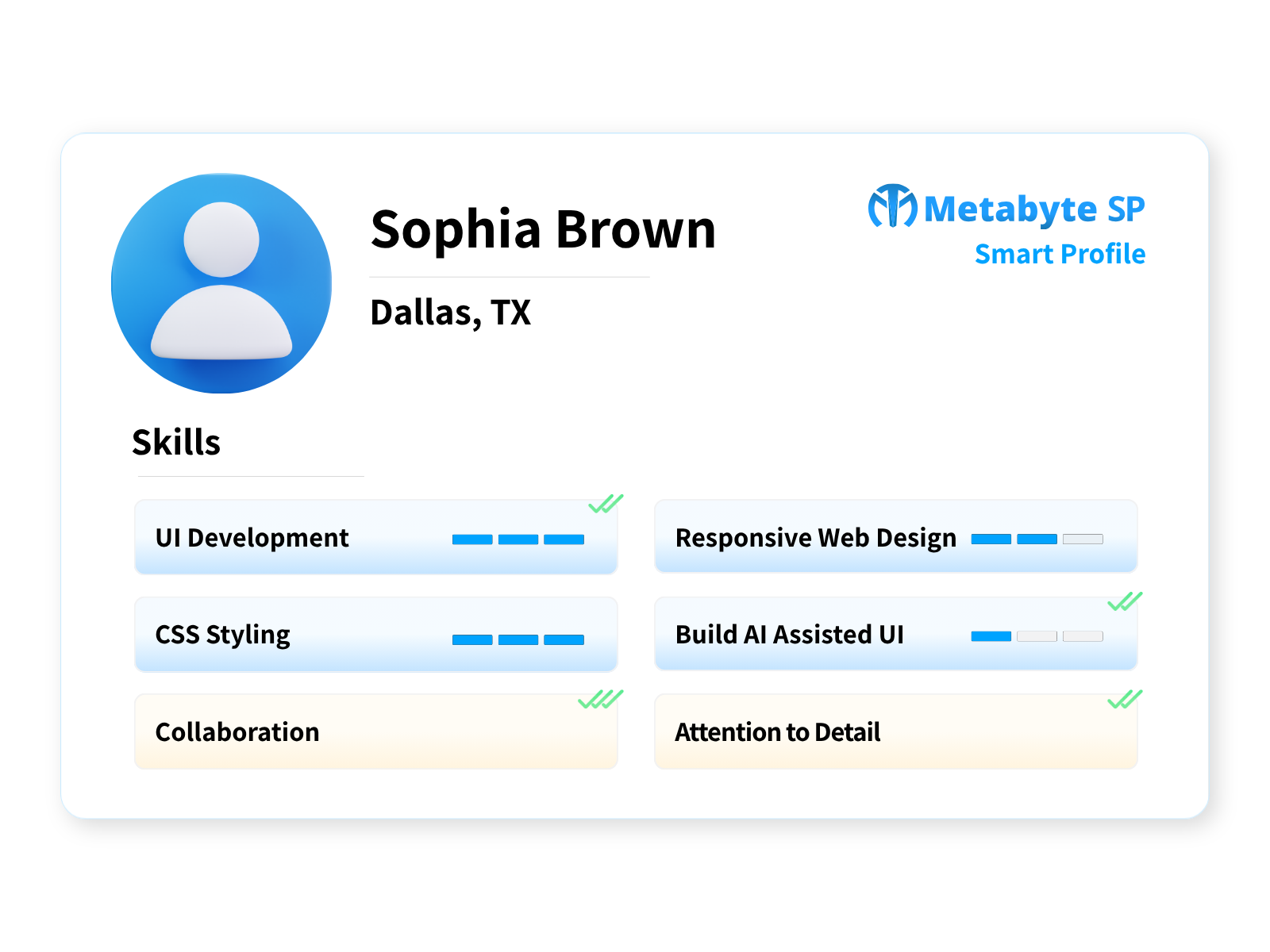
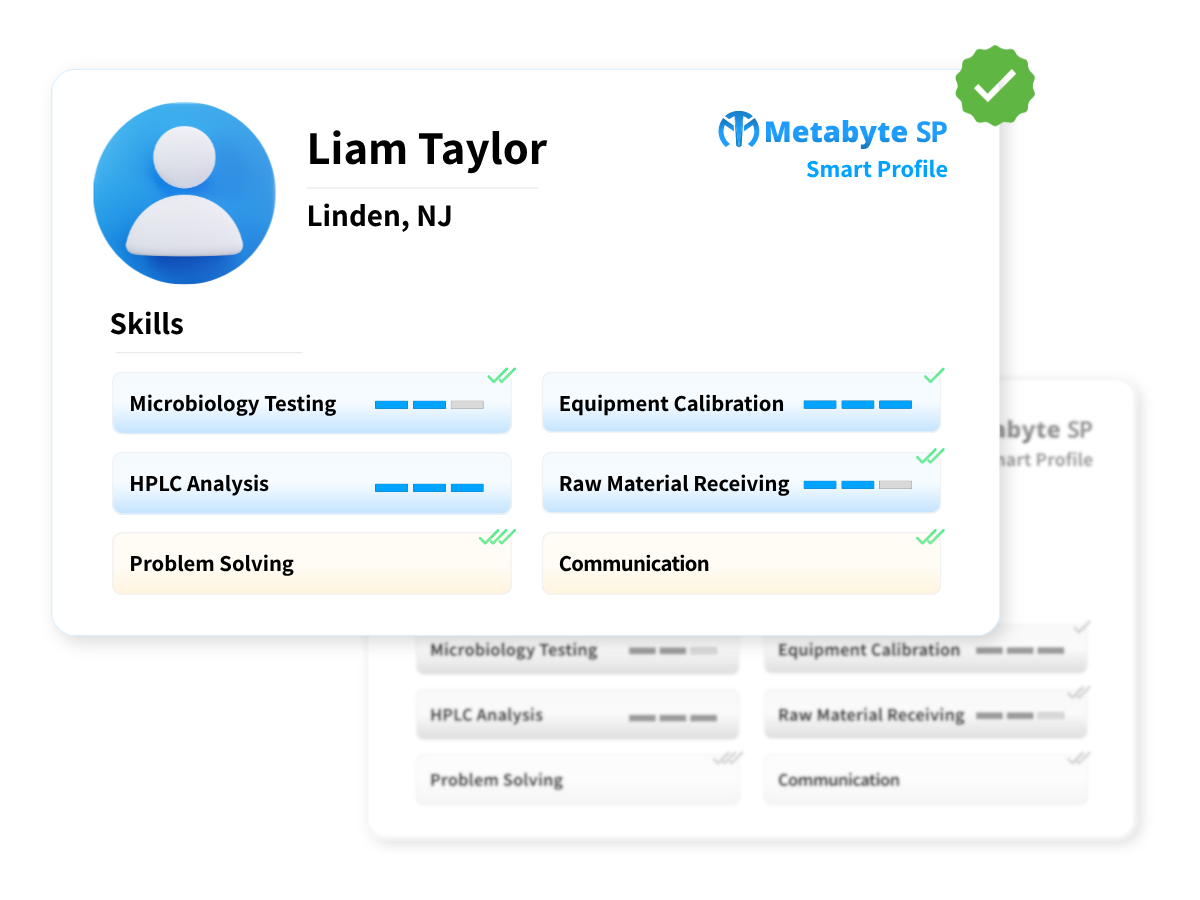
Candidates set an initial proficiency through self-assessment, refined by AI-based estimates drawn from profile data, recency, and observed patterns. Peer and manager validations strengthen the signal over time. Every skill then carries two facts, a validation level and a last-evidenced date, so you can see not just what a candidate claims, but how well it's evidenced and how recently.
Every match score can be opened and read. Employers see exactly how a candidate was ranked, and how each factor contributed: which required skills were met, how the weighted skills scored, the evidence behind each one, and how preferences fit. Candidates see the same logic applied to their own profile, so they know precisely what to strengthen, and how, over time. Because every input is visible, decisions made on the platform can be explained, defended, and audited.


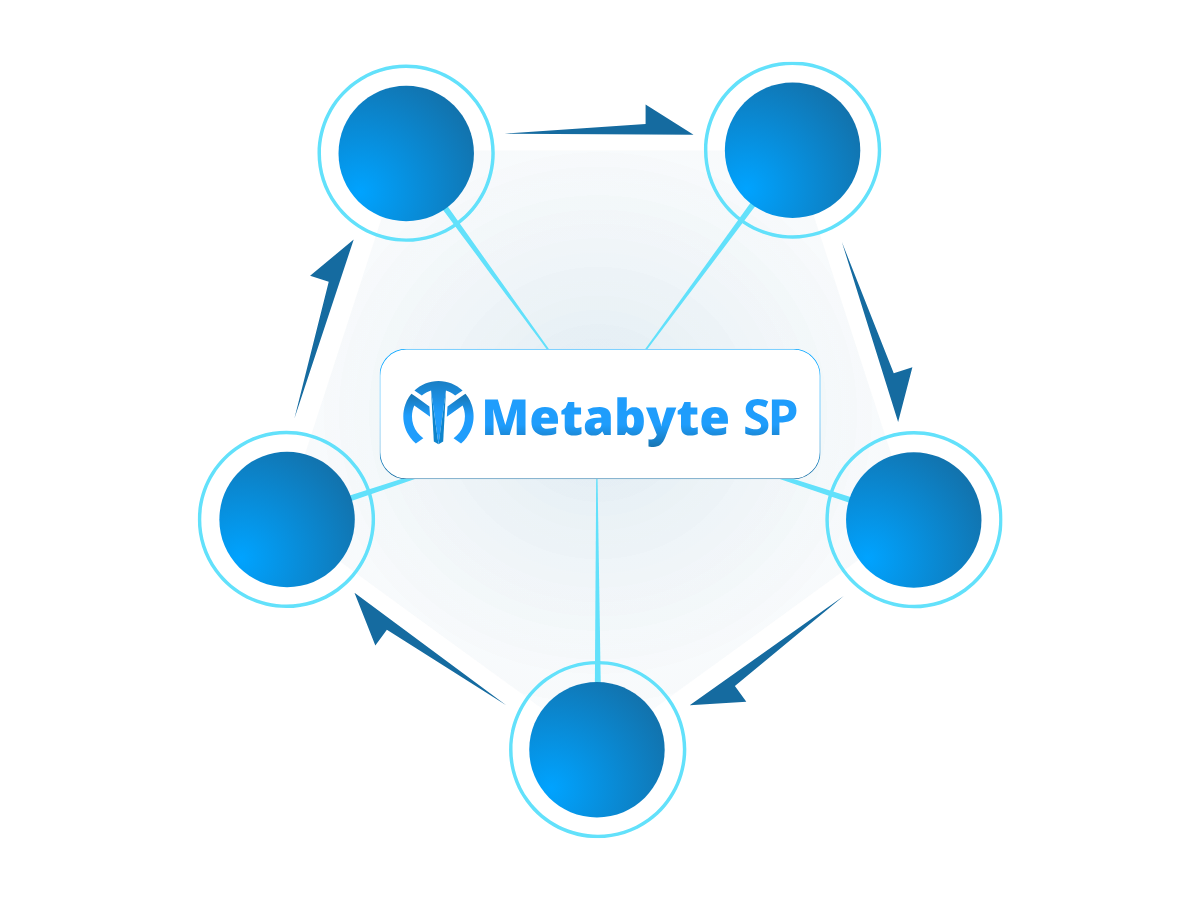
When an incoming resume or requisition introduces a skill that doesn't map to an existing atomic skill, the system isolates it, defines a new atomic skill, and incorporates it into the model, without a manual rebuild. Requisitions are normalized against the standard roles library while preserving each employer's specific skills, weights, and context. The model expands continuously, and because it grows by adding defined units rather than opaque inference, the matching logic stays transparent as it learns.
Metabyte SP comes from a company that has been Making Innovation Work since 1993. As a leading technology services and staffing company, we back it with a 30-year track record: enterprise- grade delivery, and products we invented and commercialized across four industries, from 3D graphics and virtual reality to digital video recorders to small-business web infrastructure, and now AI for staffing itself.
Decision-ready shortlists, ranked against your requisition. Candidates are matched on normalized skills, evidenced proficiency, and preference fit, and every score can be opened and explained.